
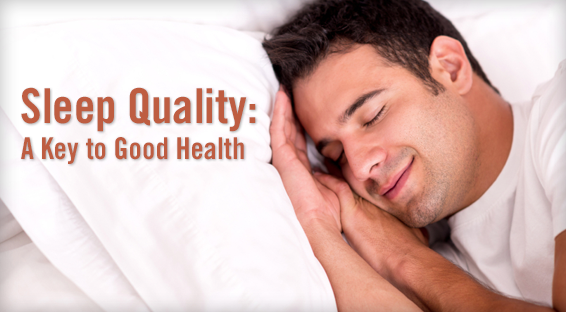
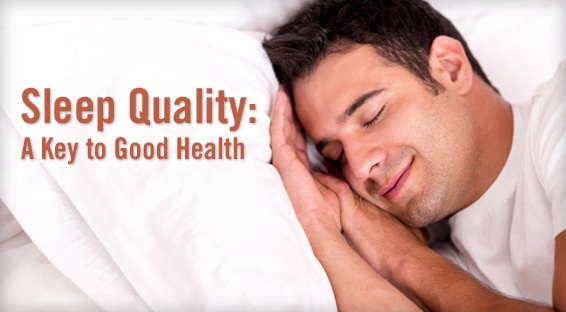
Sleep is a great indicator of health. Being tired when it’s time to sleep and waking up with energy gives people a large boost in physical and mental health and makes them more productive in their day.
Sleep is generally dictated by an inbuilt body clock called the circadian rhythm. This is largely genetically inbuilt, but is clearly affected by external cues known as Zeitgebers. A German word which means “time givers”. The most important time giver is daylight (specifically blue light), but others include eating patterns, temperature, and exercise.
The most important function of the circadian rhythm, as far as regulating sleep goes, is to signal production of Melatonin. Melatonin is a vital hormone that makes us feel sleepy. However, it also helps regulate stress, and has been observed to act as an anti-inflammatory. This gives it links to our immune system and our ability to ward off illness. It is a very important hormone, and we even supplement it in those who are struggling with getting quality sleep.
Another important neurotransmitter, but for a more negative reason, is Cortisol, which is generally released when we are stressed. Stress is a by-product generally of our environment, however it can be managed more effectively in most people. Cortisol increases blood sugar and is helpful in small amounts in fighting inflammation. So Cortisol in small amounts is a useful hormone.
However, elevated Cortisol levels for long periods of time is generally a negative experience that inhibits sleep, and increases perceived stress, inhibits bone production and can lead to muscle wastage. We can normalise our cortisol levels in day to day life by ensuring we take time to relax, laugh, not taking work home with us, exercising daily, and eating a balanced diet.
So, if you are stressed out, tired, cranky, overweight, and etc – maybe it’s time you had a look at your sleeping habits. Aim to address a few of the discussed factors each week. Maybe you start by waking at the same time everyday (even on weekends), make sure you start your day with a balanced breakfast, then work on reducing screen time after dark. Stop working, eating, or exercising late at night and before you know it you’ll be sleeping better and be a far healthier and happier person.
Our rhythms can adjust conservatively one hour a day. I.e. if you are going to sleep at 2am each night and waking at 6am, don’t expect to have a normal sleep schedule immediately once you start trying to fix your behaviours. A healthy amount of sleep varies between people, and people generally require less as they age. For most people, aim for 6-9 hrs of sleep a night is plenty. If you are still tired after 9-10 hours of sleep, it is very unlikely that further sleep is going to help, and you’ll need to look elsewhere for the solution.
For some people retraining their sleep cycle can be a game changer, though if you are having a really hard time even with these tips, you may need to get a helping hand from your local GP to rule out other conditions that aren’t regulated by behaviour.



© 2026 Hunter Rehabilitation and Health. All rights reserved. | Website by Wolf IQ